Norbert Weiner and Cybernetic Origins
Heinz von Foerster
Ross Ashby
"The most fundamental concept in cybernetics is that of 'difference', either that two things are recognisably different or that one thing has changed with time." - Introduction to Cybernetics
Quite interesting that both Weiner identified difference as fundamental, as difference is also the fundmanetal component of Dialectics, known as contradiction.
Stafford Beer and Project CyberSyn
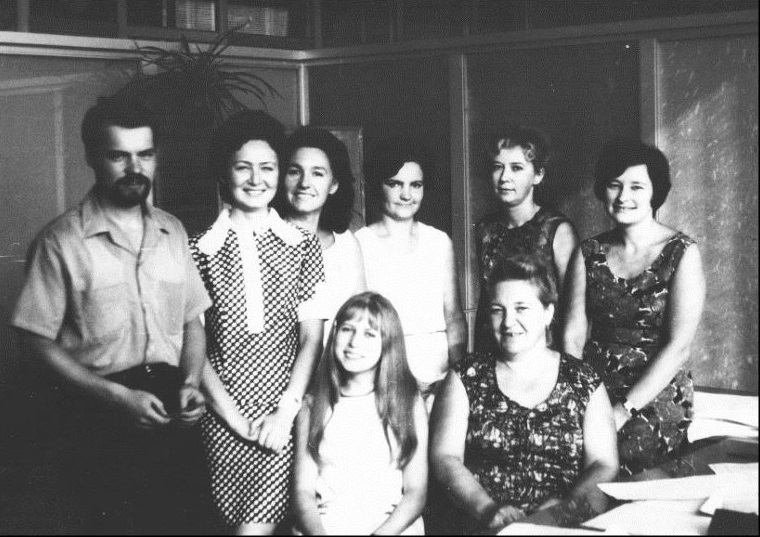
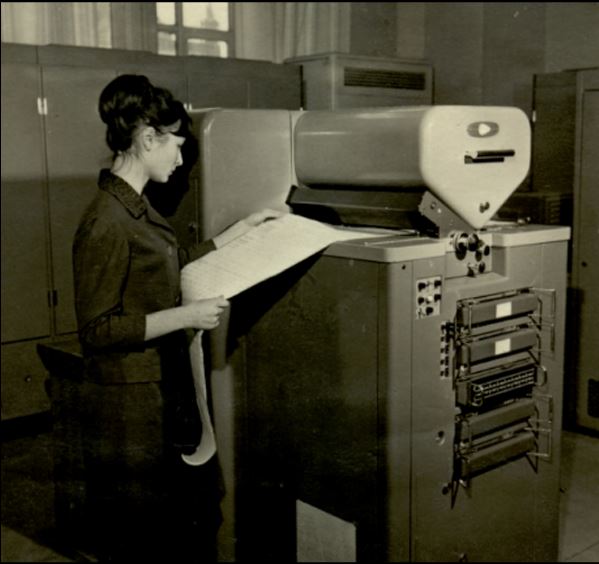
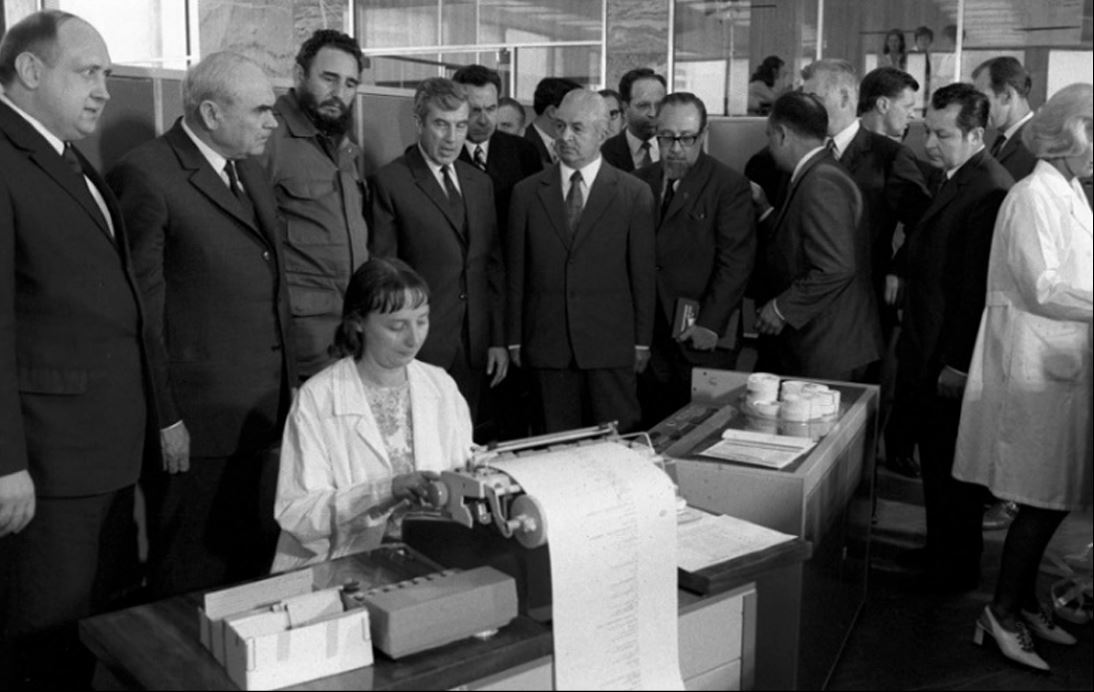
Soviet Cybernetics - The Automated System of Planning Calculations (ASPR)
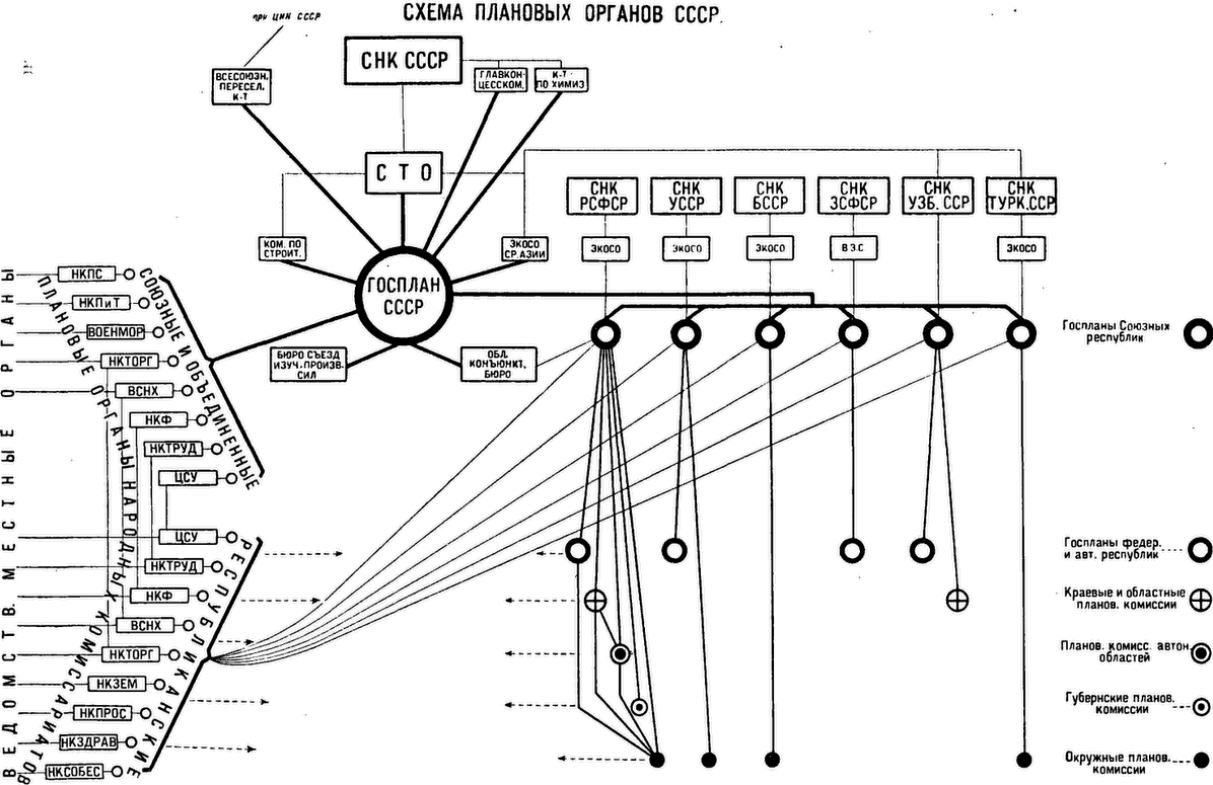
Initially, ASPR was a departmental system for Gosplan as a system that other ministries were connected through. Gosplan was the brain of the Soviet planned economy, dictating what was produced, how much, and by whom. This was orchestrated through multi-year economic plans (aka "Five-Year Plans") that linked all sectors of the economy, from agriculture to heavy machinery, generally by setting targets for production, resource allocation, and growth targets.
This system was planned as a transition system to be used before the implementation of OGAS (which was planned to be developed by hte early 2000s).
The system's main purpose was "to carry out multivariate calculations for the draft plans of social and economic development in a given time with a comprehensive linking of all planned indicators and tasks in each variant and optimization of planned solutions."
The ASPR project dates back to 1965-1966 with the creation of the development commission. In 1972, the ASPR project was fully developed, and by 1977 nearly 80% of the solving tasks were data processing tasks, and as the first stage of the ASPR was put into operation and the development of the second stage began.
In 1980, the integration of ASPR with the so-called mini-ASPR began. The second stage of the project was implemented from 1980 to 1985, it included full coverage of all 37 departments of the USSR State Planning Committee with the final establishment of their interaction within the ASPR, full-fledged machine error control in information and integration of minicomputers, conversion of various balances into electronic format with the possibility of their mutual analysis and mutual translation.
To plan for 1986, calculations were made to determine the need for material and technical resources for capital construction on the basis of direct data processing for almost all construction projects in the country (appx. 150k projects).
The 12th of the five-year plans (for 1986-1990) was prepared in five versions (It took three days. Without ASPR, work on one option took about 2 months). A real-time recalculation of the entire system of indicators has been achieved when any of them changes. This ensures the formal balance and consistency of the plans. Soviet five-year development plans, unlike the stereotype, allowed adjustments in the process of implementation and this was not something incredible. There were also not really plans up to the exact amount of nail production.
Gorbachev's team fiercely opposed this system. ASPR existed until 1994 and its achievements include calculated the consequences of perestroika quite accurately, and for some time after the fall, was actually the only sufficiently reliable source of information for the new Russian government about the state of the Russian economy.
Some Capabilities of the ASPR:
- Ensuring technical balance and consistency of plans, and to identify errors in plans, such as incorrect input or the like
- Variable calculations (what will happen if...?)
- One-time input of information
- A kind of cloud storage with remote access
- Direct machine-to-machine data exchange
- Storage and access to databases (regulations, statistics)
- Organization of work on the plan in the electronic document management system
in the modern world (for example, in the English-language wikipedia) it is customary to write that the project was completely blocked, which does not correspond to reality, according to the follwoing compiled primary sources on the subject, although bureaucratic revisionism was certainly responsible for slow development in the area throughout the 70s and 80s, especially under Gorbachev.
Soviet Cybernetics - The National Automated System for Computation and Information Processing (OGAS)
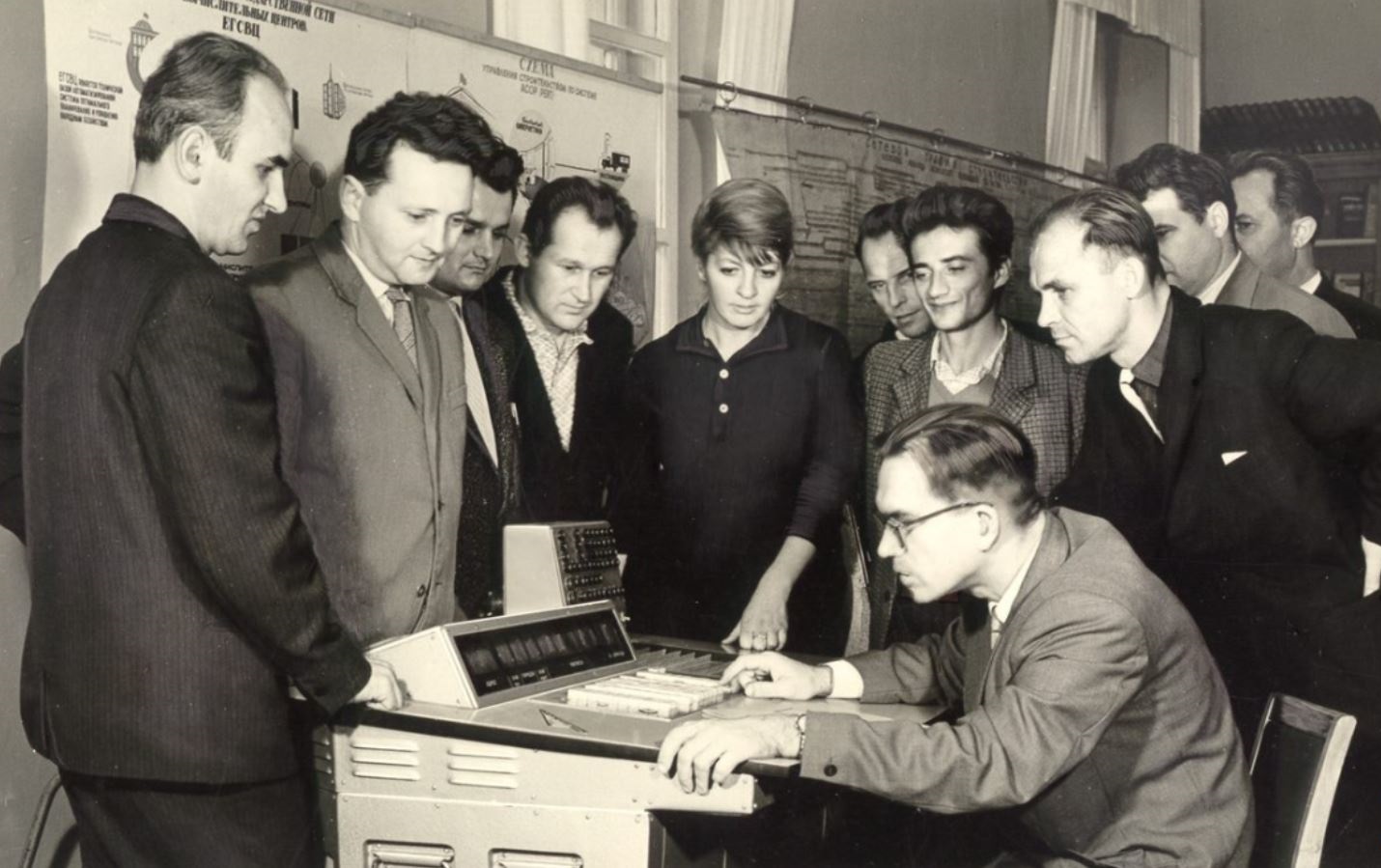
OGAS was planned as a full-fledged completion of the ASPR with the integration of all systems into a single whole, connection to the system of most enterprises, and such.
In the decisions of the XXIV Congress of the CPSU, OGAS is defined as a nationwide automated system for collecting and processing information for accounting, planning and management... In addition to accounting and current management, the main task of vertical communications in OGAS is to provide a system of volume-calendar territorial and sectoral planning in all parts of the economy (from the USSR State Planning Committee to the workshop, site, and in short-term planning to individual workplaces)... The meaning of vertical links in OGAS in this aspect is to ensure the integration of local programs at all levels of the hierarchy of territorial administration, up to the all-Union level.
In 1985, the plans for OGAS development up to the year 2000 were approved, but the USSR would not last much longer than this.
"Soviet attempts to build a national computer network were undone by socialists who seemed to behave like capitalists" - An MIT review on the history of Soviet computation
The final stage in the creation of the OGAS was to take place in 2000, but did not take place due to the fall. However, in the USSR, an analog of the ASPR was also created for the needs of wartime and it was not dismantled, but there is much less information about it in the public domain.

Linear Programming and Kantorovich Problems
Shadows of Cybernetics in Modern Decision Support Systems
Further Resources on Soviet Cybernetics
- Lebidinsky Nikolay Pavlovich; Questions of creation and formation of an automatic system of planned expenses
- Transcript of the 24th Congress of the CPSU, 1971
- Memoirs of Vladimir Viktorovich Kossov (Deputy head of Gosplan)
- Kuzetsov T.E.; On the History of the Institute of Economics of the Russian Academy of Sciences (USSR Academy of Sciences): conjectures and realities
- "Memory pages. About plans, planning and planners"
- Alexey Safronov; "Step into Cybercommunism: computers and planning in the USSR
- Vladimir A. Kitov; On the History of Gosplan, the Main Computer Center of the State Planning Committee of the USSR